Artsy Autumn in Provence

Mont Sainte-Victoire (1897, oil on canvas), one of over 35 oils and 45 watercolors of the mountain near Aix-en-Provence that so captivated Cezanne.

Autumn and art, a perfect pairing. When the vines begin to turn rusty gold and deep crimson, marking the end of the summer crowds in our popular Provençal patch, it’s time to put away the parasol and seek some culture.

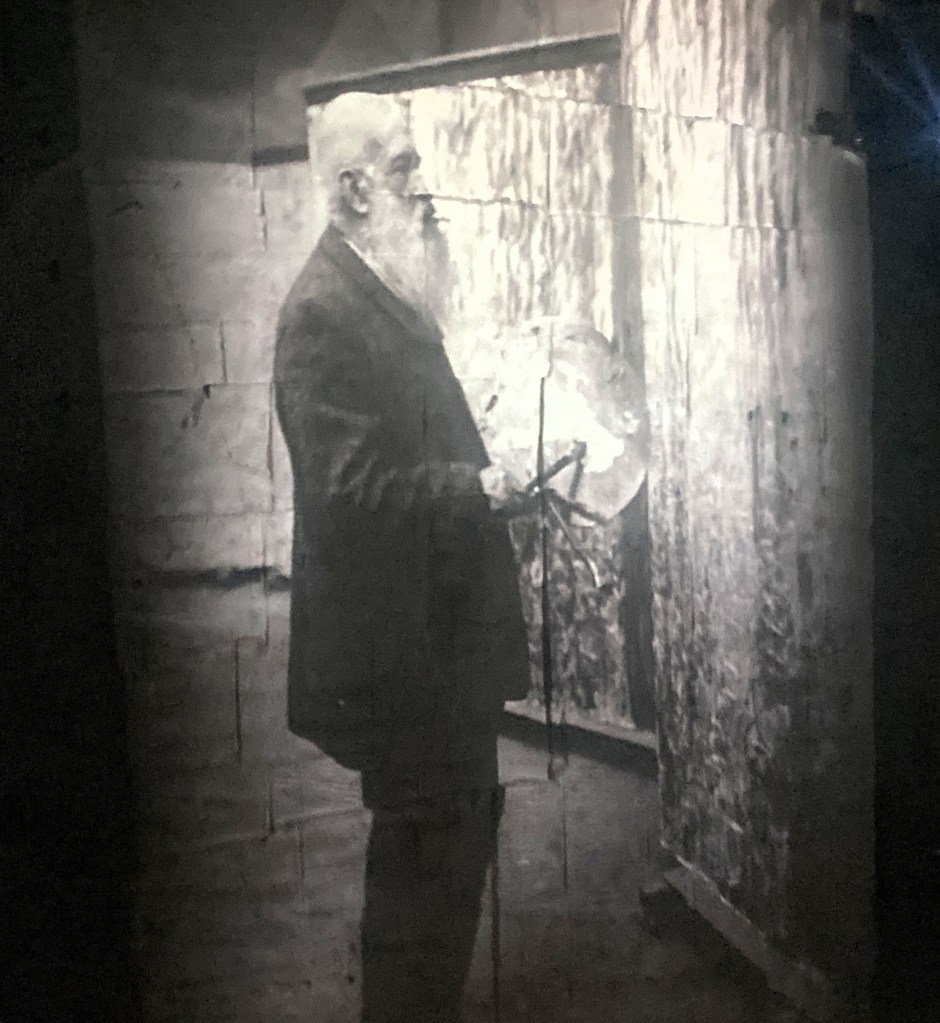
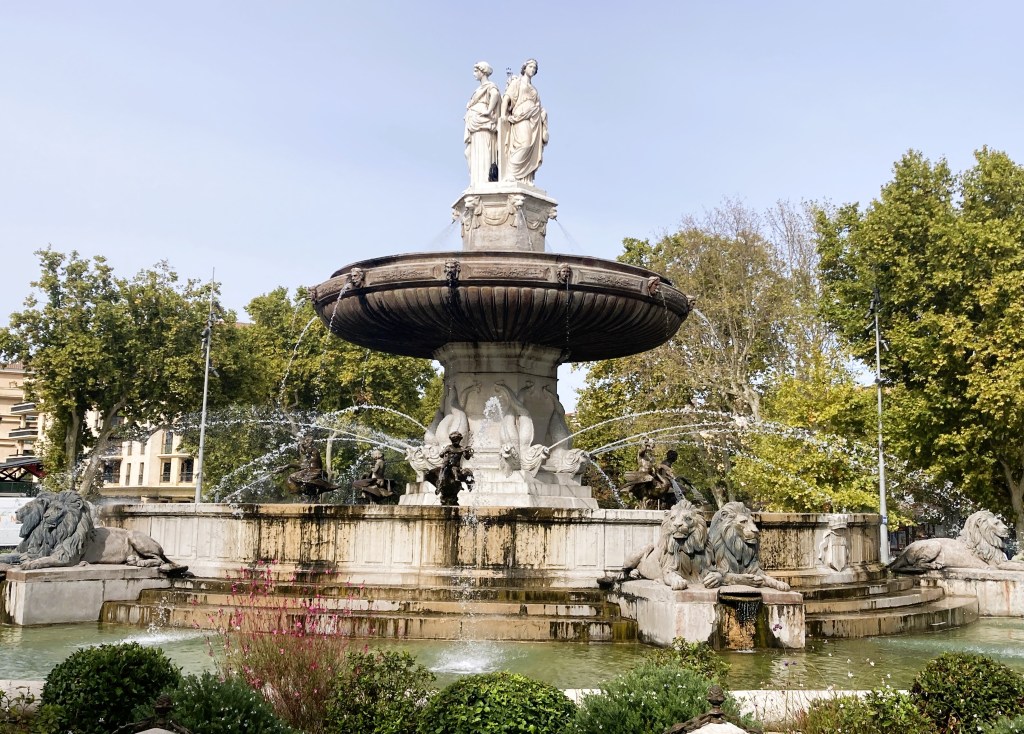
This particular change of seasons was my cue to check out a couple of standout events spotlighting two French titans of art history: Monet, Founder of Impressionism (Claude Monet, 1840-1926) at the Carrières des Lumières in Les Baux-de-Provence, and Cezanne au Jas de Bouffan, (Paul Cezanne, 1839-1906) at the Musée Granet in Aix-en-Provence.

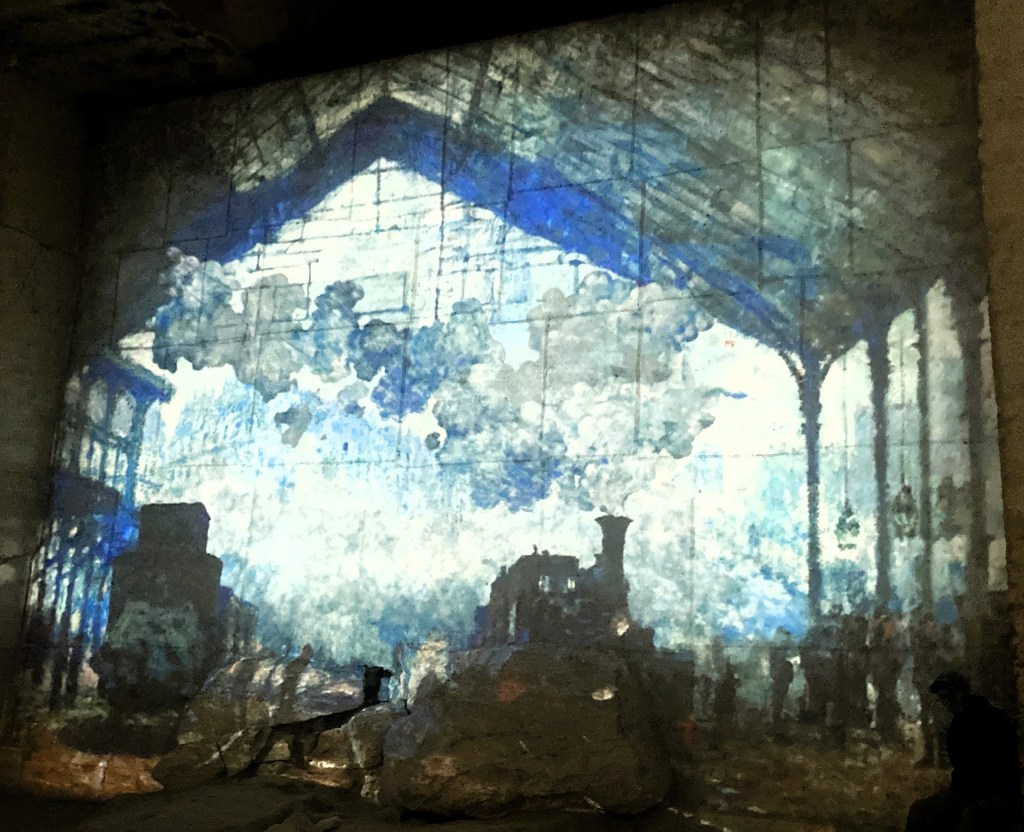
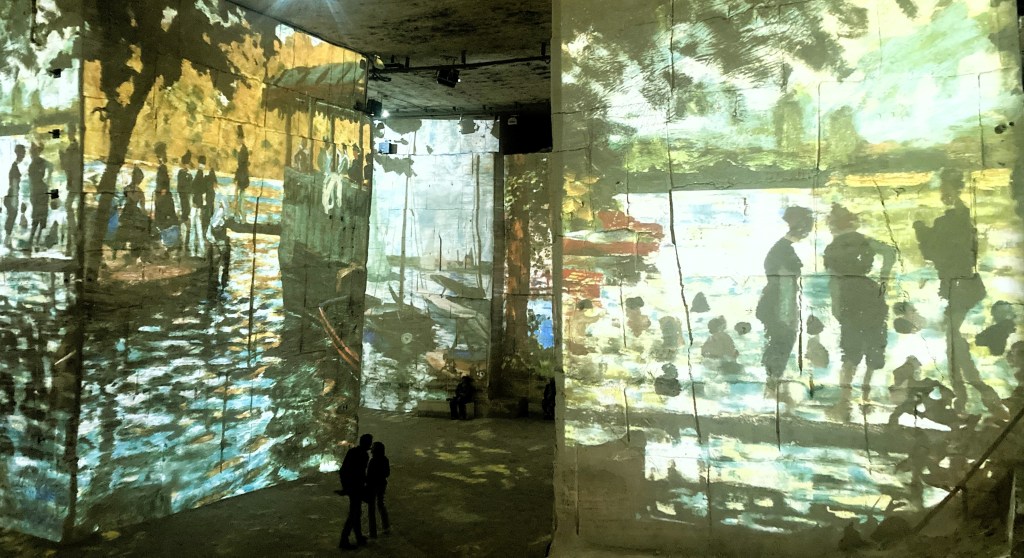
Carrières des Lumières is a former interior quarry, repurposed as a stunning art venue featuring immersive sound and light art-themed spectacles. Each year, the program showcases different artists, but one aspect remains the same—the wow factor, and not just for the stunning visuals but also the dramatic musical accompaniment. I’ve been to nearly every one over the years, and though I’ve loved some more than others—Chagall (2016-17) and Picasso (2018-19) are faves to date—this one starring Claude Monet was impressive. During one segment, for example, you really feel like you’re on a moving train, watching the landscape whiz by.

Here are some highlights:

Luckily, Ralph and I made it to the Musée Granet in Aix-en-Provence before the terrific Paul Cezanne expo ended on 12 October. I should not have waited till the last minute, because I could have been out of luck finding tickets to the massively popular show and missed out on experiencing the unique collection of iconic works by the “Father of Modern Art.” Because Cezanne veered away from capturing fleeting moments as the Impressionists did and concentrated on exploring rule-breaking perspectives of form, structure, and color, he paved the way for 20th-century masters. Both Pablo Picasso and Henri Matisse are known to have agreed that Cezanne was the “father of us all.”  

Here are some of my favorites:

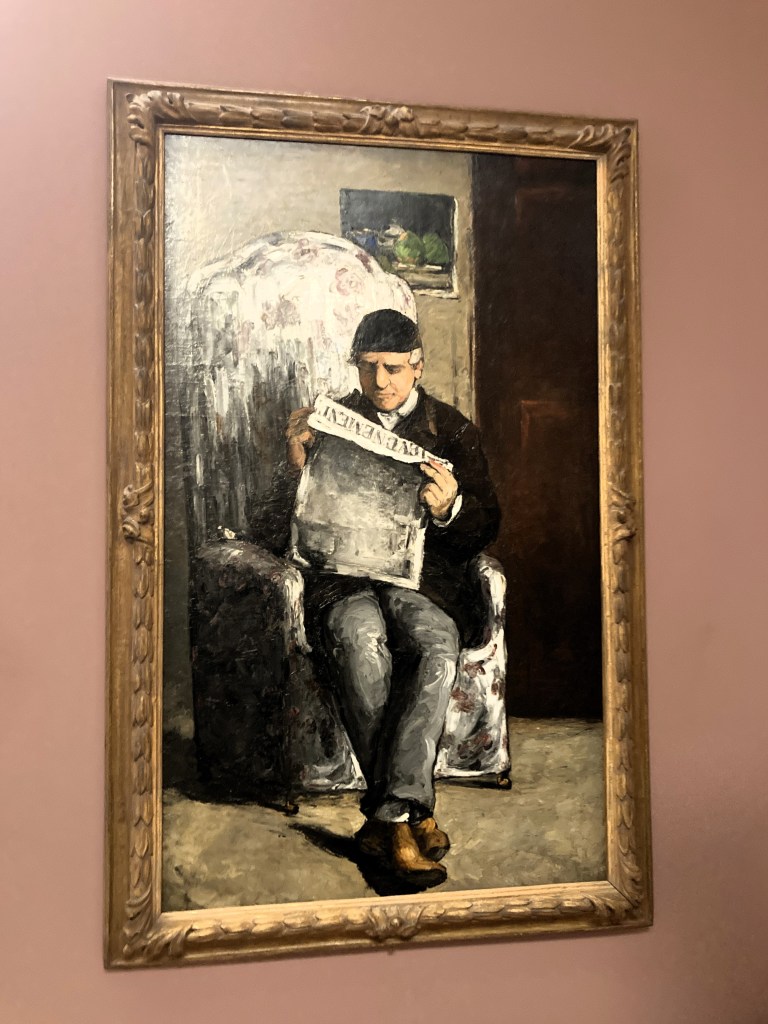
The Card Players, oil on canvas, painted between 1893 and 1896.
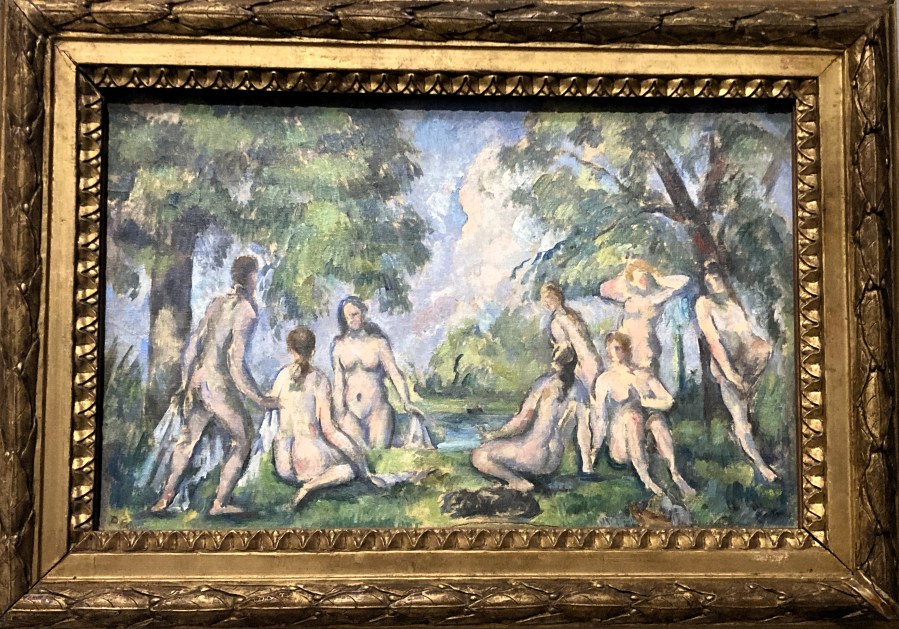
The Women Bathers, oil on canvas, circa 1895
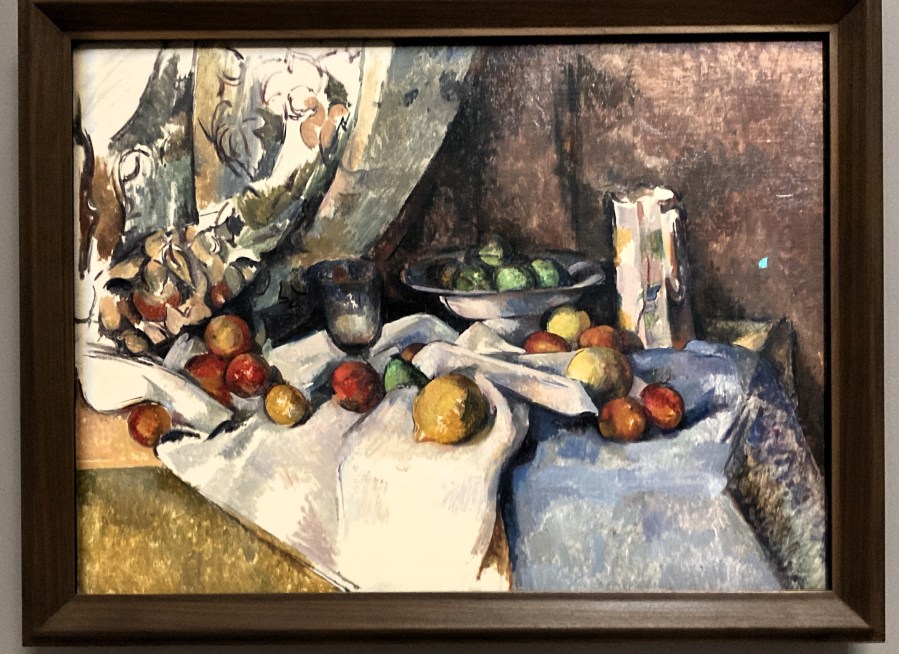
Still Life with Apples, oil on canvas,1895-98

One last note on the Cezanne show. The collection included just one painting of Mont Sainte-Victoire, but it meant a lot to me. After having lived in Aix for 18 months–before moving to Saint-Rémy–we often walked to the plateau where Cezanne set up his easel to paint the multi-faceted mountain. I loved gazing at it, watching the light and shadows dance across its rugged surface, each snapshot offering a different perspective for seeing the world. Because I came to feel connected to it on a certain level, I felt closer to the region, as well. We never hiked the mountain, though, and that’s something I’d like to do one day–another item for the bucket list.

Wherever you are, dear readers, wishing you happiness, health, and hope.

Bises, Gayle
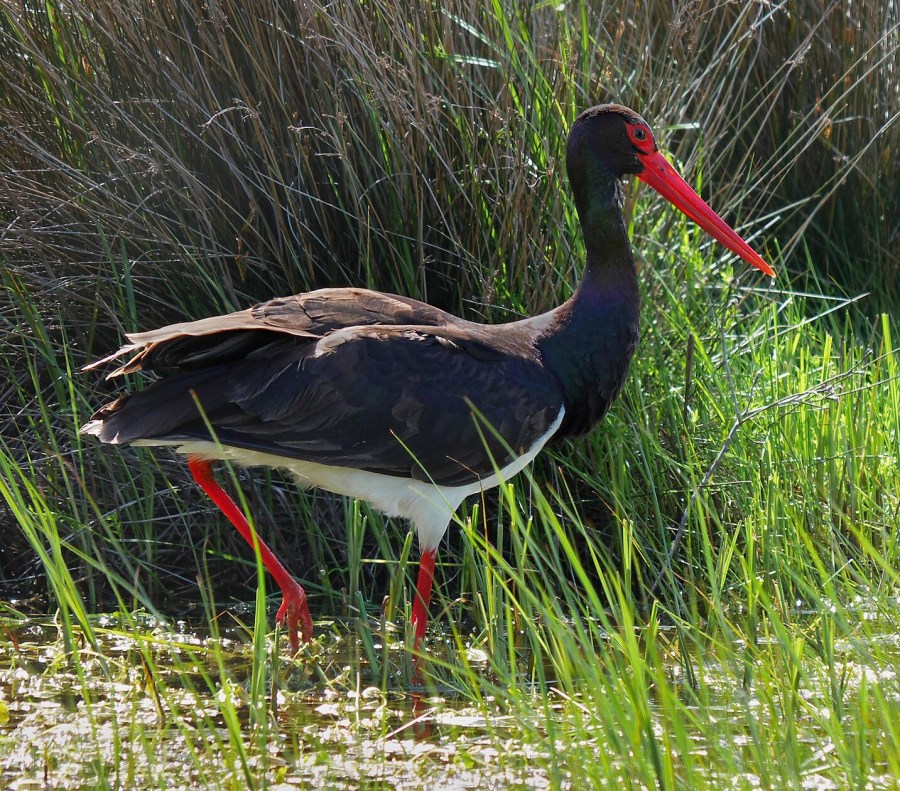
Black Stork by Frank Vassen, CC BY 2.0, Wikimedia Commons (cropped)

PS

On the birding front, the Black Stork gets top billing this month—the impressive bird and its mates are back in Provence for the winter!

PPS

Pleasures of Provence is making its way toward the home stretch. The editor plans to send me the manuscript within a week, and then I can begin what hopefully is the final edit. When I’m finished with it (or it’s finished with me) and somehow the project is proclaimed “done,” next stop proofreader. Then the focus will turn to publication prep, and, of course, the cover. It will be similar to Passion for Provence, but distinctive. If you have any ideas, please pass them along!

Provence on a Plate: Top Saint-Rémy Producers’ Small Screen Moment

Les Alpilles preside over the area’s rich agricultural zone.

À table, mes amis! Come sit down for some mouthwatering meals—if only vicariously—with the celebrity chef Marcus Wareing, who hosts the recently released British TV series, Simply Provence. Throughout 15 episodes, this Michelin-starred chef highlights the products of a handful of the best producers in Provence. From tomatoes to chocolate, the curious and exacting chef goes to the source to find terrific local ingredients for meals that he prepares on a rooftop terrace.

And lo and behold, that rooftop terrace is right here in historic Saint-Rémy- de-Provence! In fact, we’ve walked right by the pale stone village house at least a zillion times and what’s more, we have patronized many of the producers and locales—so fun! And those we didn’t know, we are now tracking down which is also a complete delight!

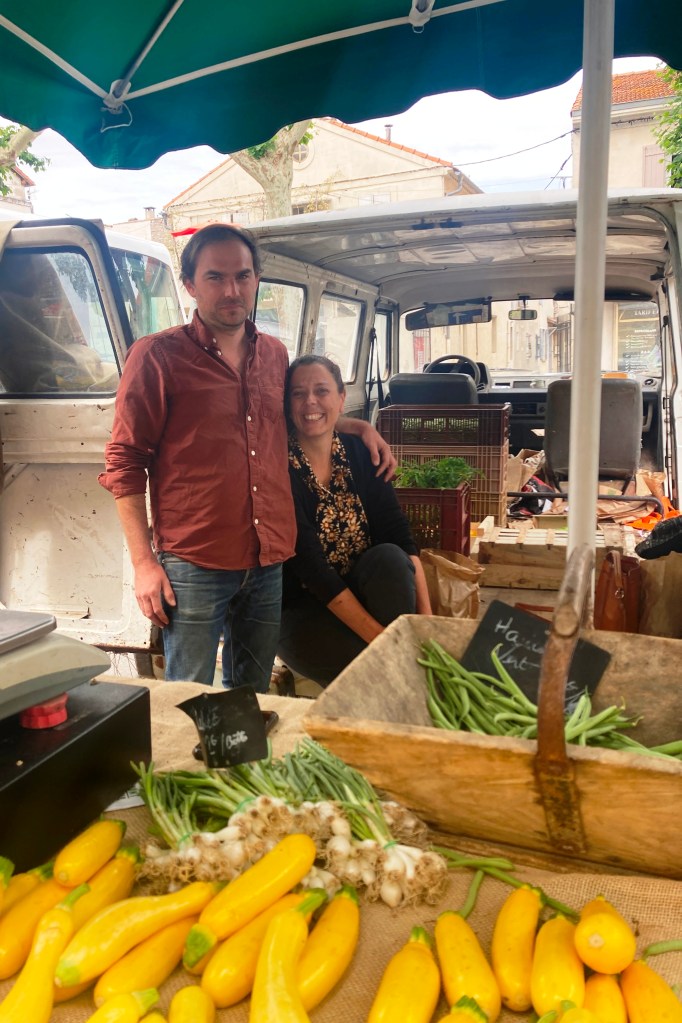
Here are just a few of the highlights: A wide range of fromage can be found at the very well-stocked shop Monique in the historic center. Produce by Fabien Dumont and his lovely wife Lauren is as fresh as it comes. They have a stand at the Saint-Rémy market, both Saturday (in front of the exclusive Souleiado clothing shop) and on Wednesday, near the restaurant Marilyn. The olive oil from Moulin Castelas, on the other side of the Alpilles, below Les Baux, is simply exquisite. English-speaking Emilie, the daughter of the owners, does a super job leading the host around the domaine. We’ve known her for years–she was born in Arizona, in fact.

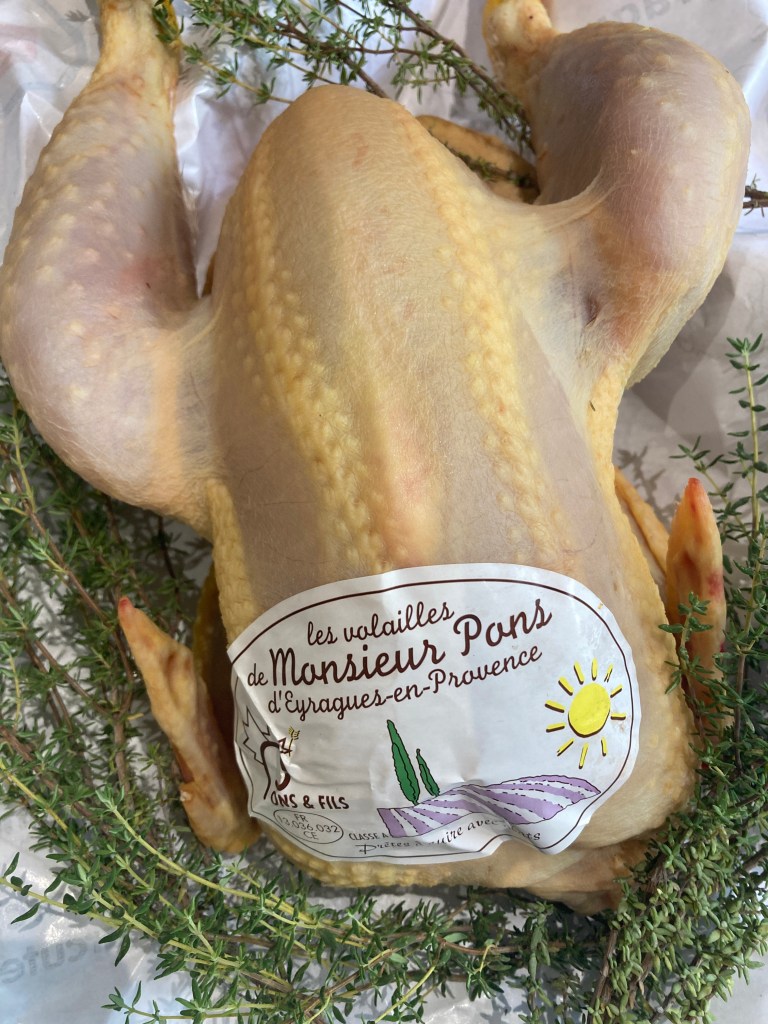
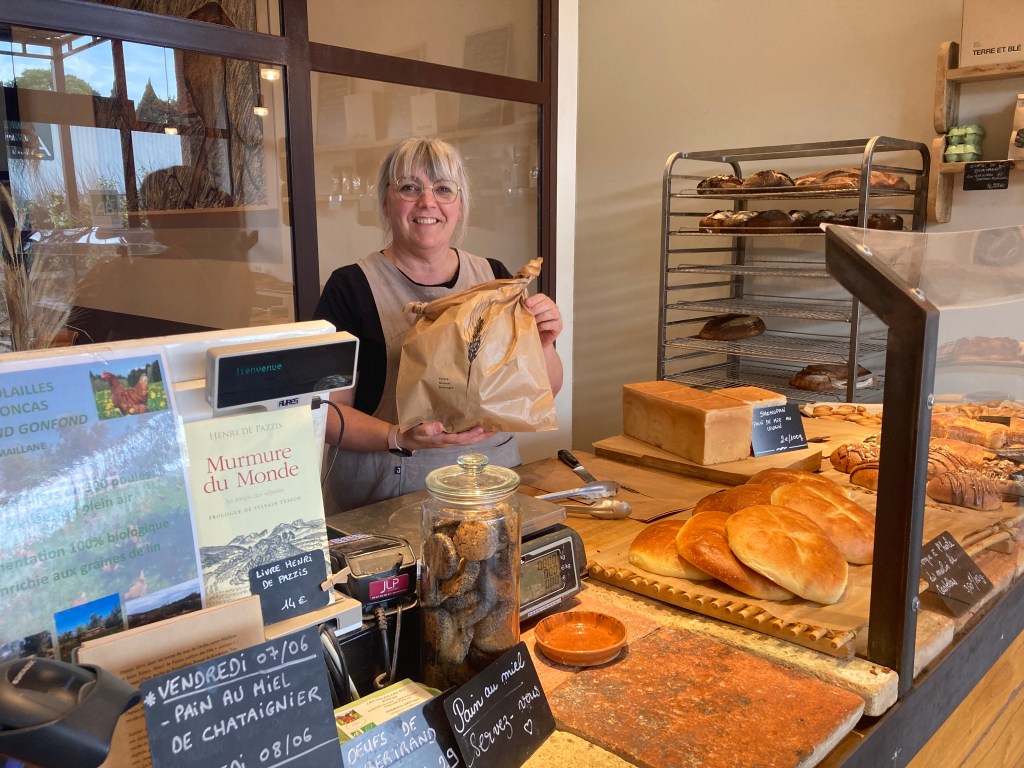
The restaurant Bar Tabac Les Alpilles, known for its lamb, is run by the perennially upbeat Patrick. Even if lamb is not your thing, the authentic brasserie is a nice spot to relax with a coffee or verre de vin. And for bread, Wareing goes to the Terre et Blé bakery (in the industrial zone) for its stellar loaves made from specially grown wheat. I rarely went there as it’s a bit off the beaten track but I’ll happily make the effort now. The thick and chewy wheat loaf I picked up recently was stunning toasted or not. The prize for poulets went to Eric Pons. This young fellow doesn’t have a stand in Saint-Rémy, but I’m hoping this will change. I wasn’t aware of his free-range chicken farm before seeing the show but now I’ve been informed that those “in the know” find them at the Utile grocery store in Eyragues, about 10 minutes from St. Rémy. They’re quite a bit more expensive than regular (less happy?) chickens, but we roasted one this weekend and it was incredibly delicious. (I did have to ask the butcher to remove the neck/head!)

Charming Joël Durand in his quaint shop in St. Rémy.

And lastly, there’s chocolate in a variety of forms and flavors by master chocolatier Joël Durand. In addition to chocolate candies, decadent toppings (sold in attractive jars) may temp you too. Whatever you purchase, you’ll most likely be offered a bite-sized sample of the specialty of the day—yum.

Master multi-tasker Jérôme runs Bienbon, Maison Favier and now Le Village.

Throughout the series, Mr. Wareing is accompanied by a super congenial restaurateur, Jérôme. He runs both Bienbon and Maison Favier restaurants, which serve inventive seasonal fare. And he just opened a tea room/ice cream shop/boutique called Le Village (on the site of the former Spar market). The comfy chairs outside offer a convenient place to relax while enjoying a coffee and perhaps a little treat, too.

Till next time, dear readers, stay safe, happy and hopeful.

Bises, Gayle

Find ultra yummy sweet treats at Maison Gaillardet.

PS

For those Saint-Rémy visitors with a sweet tooth, try the patisserie Maison Gaillardet for their specialty, the troprovençale, similar to the cream-filled tart, the tropézienne—heavenly! The small ones (4 euros) come in a cute little box.

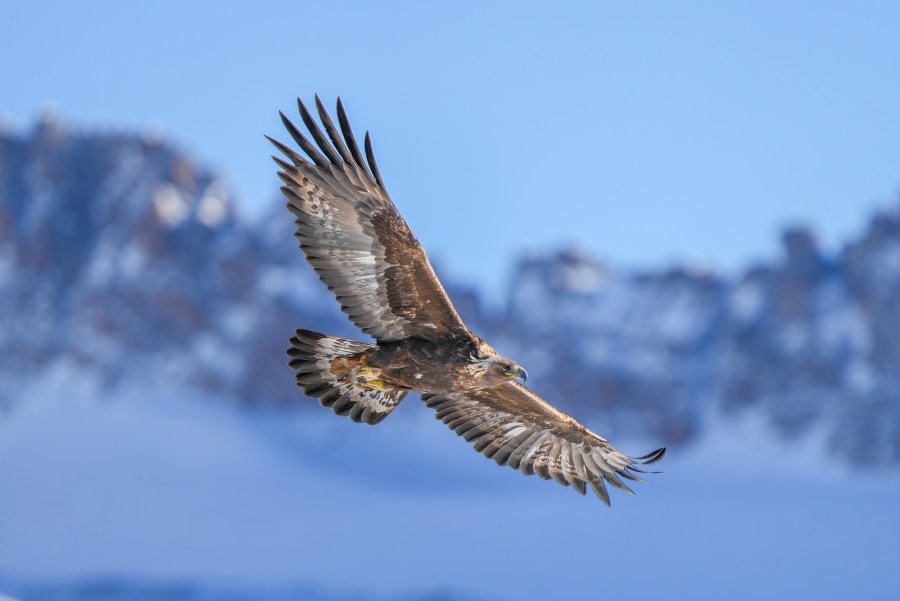
Golden Eagle (cropped) by Giles Laurent, Wikimedia

PPS

Pleasures of Provence marches on–word by word, page by page. The Alps beckon, however, so I won’t be tapping on my laptop quite as much for a few days. But hopefully, the mountain air will prove inspirational. Plus, perhaps a Golden Eagle will fly our way. I’ve never seen one and Ralph has only spotted one once. We’ll do our best!

From Saint-Rémy to Mighty Montauban & Artsy Cordes sur Ciel

Shimmering Place Nationale, Montauban

A Huguenot hotbed in the early seventeenth century, the city of Montauban in southwest France became the headquarters for the Protestant rebels in 1621. Legend has it that in order to end a lengthy siege, Catholic King Louis XIII’s army pummeled the town with 400 cannonballs. The townsfolk held and so did the phrase, faire les quatre cents coups, “to make 400 blows,” which morphed into an idiom meaning to raise hell or to live a wild life.

For the record, there may not have been anywhere near 400 “blows”on Montauban–though it might have felt like it–one of them left a canon-sized hole in the “L’Église Saint-Jacques. And regardless of the actual number of cannonball hits Montauban weathered, French film director Francois Truffaut set the 400-number in cinematic stone when he titled his acclaimed New Wave film about a rebellious youngster Les Quatre Cents Coups (1959).

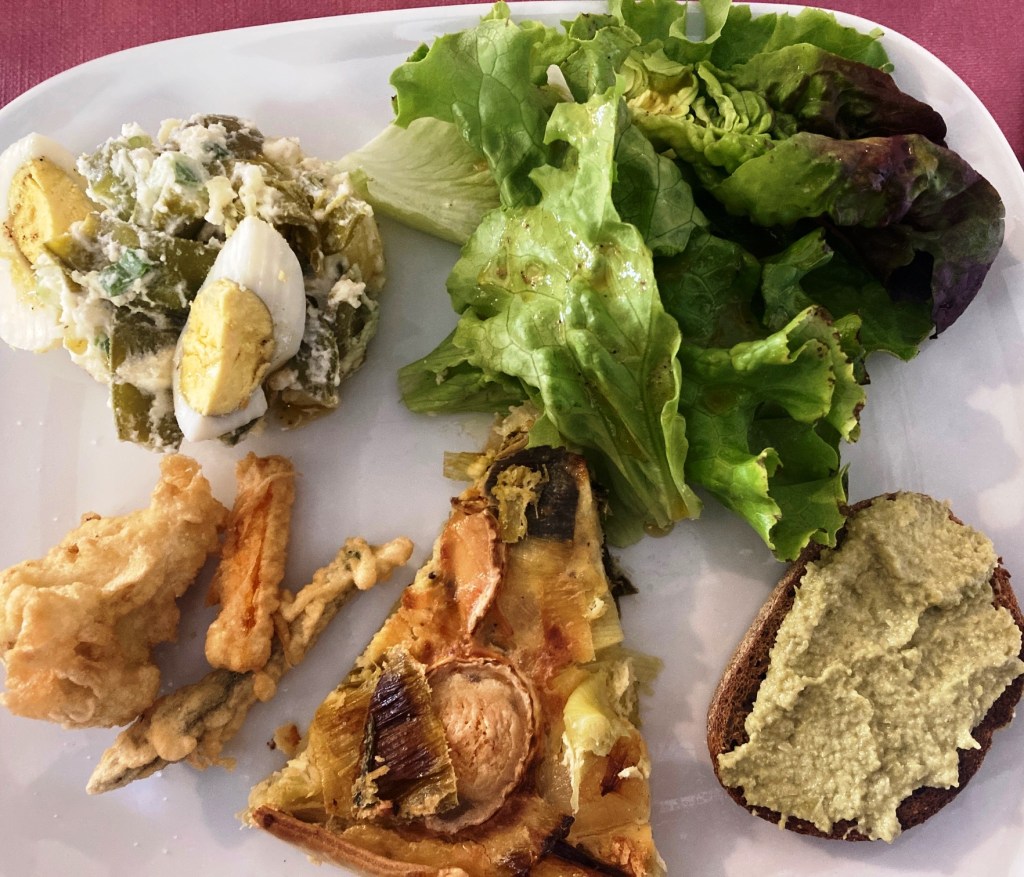
Though I may harbor some rebel remnants, perhaps due to my Huguenot heritage—my grandmother on my dad’s side was a Michaux—on our four-day foray to Montauban, peace and harmony ruled. Our trip was all about meeting up with lovely friends, enjoying fine cuisine, and quietly following our noses—without a warring faction in sight.

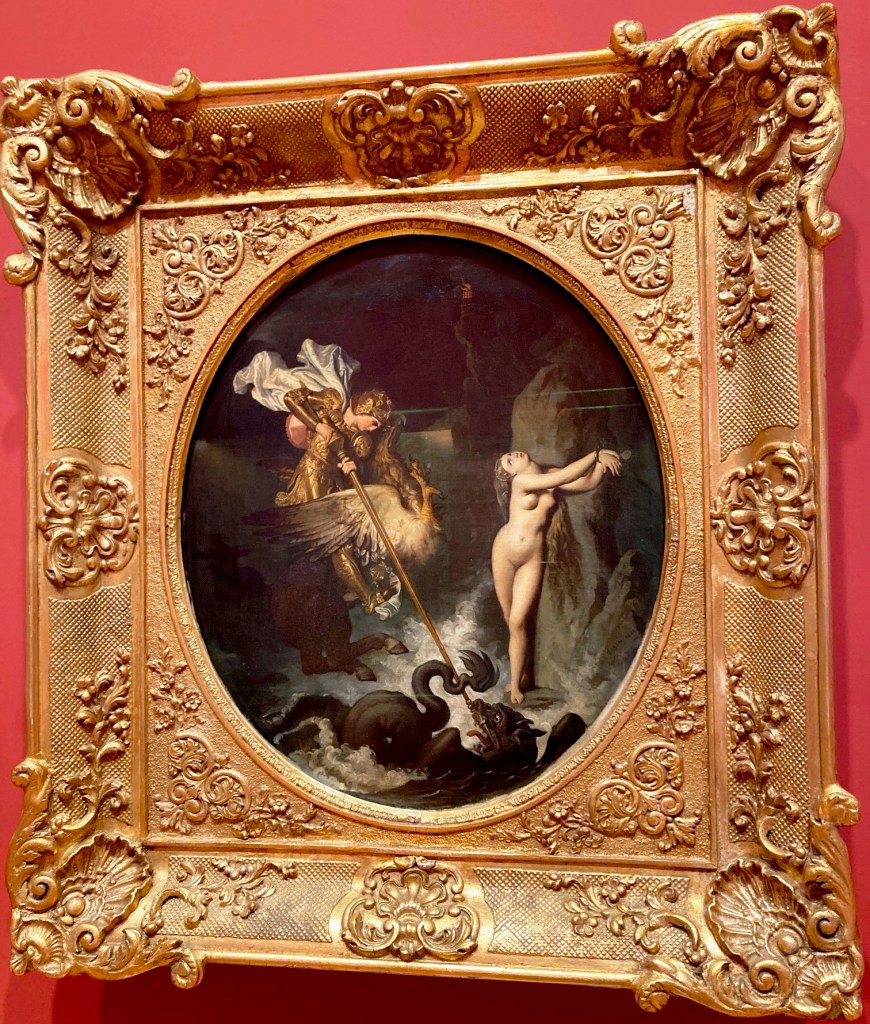
Poster art at Musée Ingres: “Must women be nudes to enter the museum? Less than 3% of the artists are women but 83% of the nudes are women.”

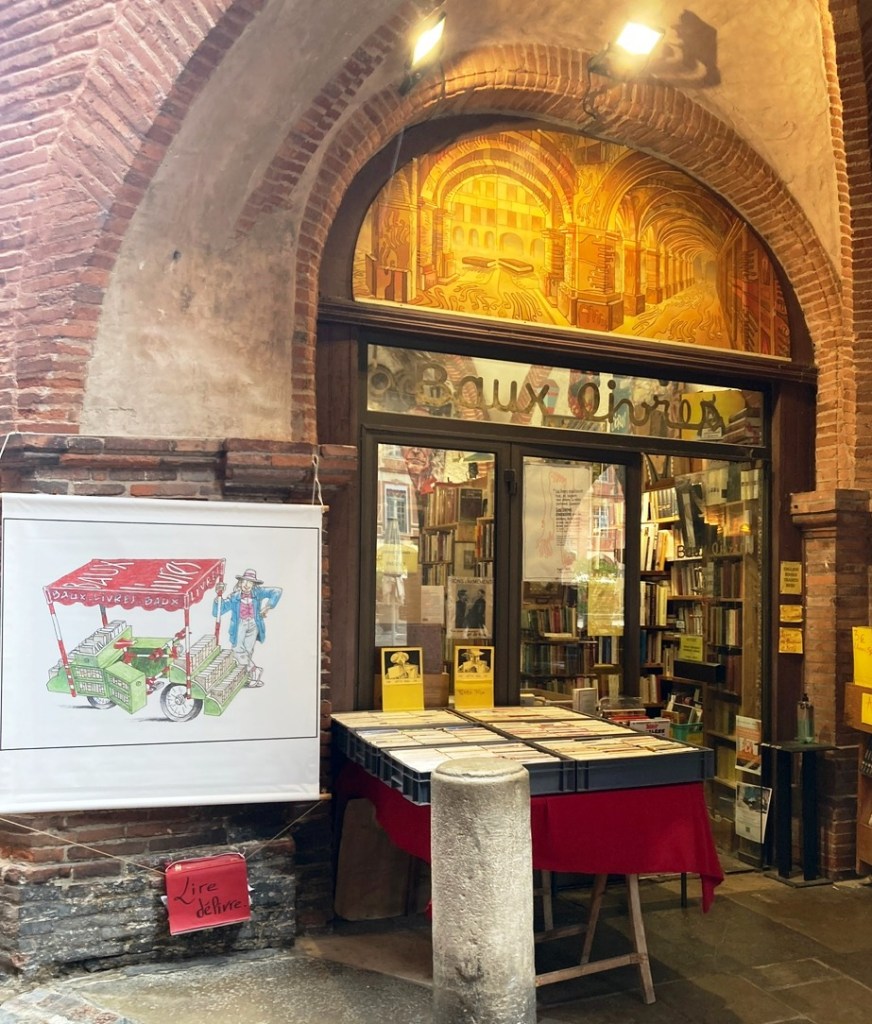
Like its neighbor Toulouse, this town of 60 thousand residents on the River Tarn is constructed mainly of reddish-pink clay bricks. Just take a gander at the main square, Place Nationale, and you’ll get the pretty picture. Also, Montauban has a charming pedestrian old town filled with loads of spiffy boutiques, gorgeous green spaces, a terrific Musée Ingres Bourdelle, an extensive outdoor Saturday market and some upscale restaurants and a terrific museum, La Musée Ingres Bourdelle. (Surprising fact: During World War II, DaVinci’s Mona Lisa was spirited away to Montauban for safe keeping.)

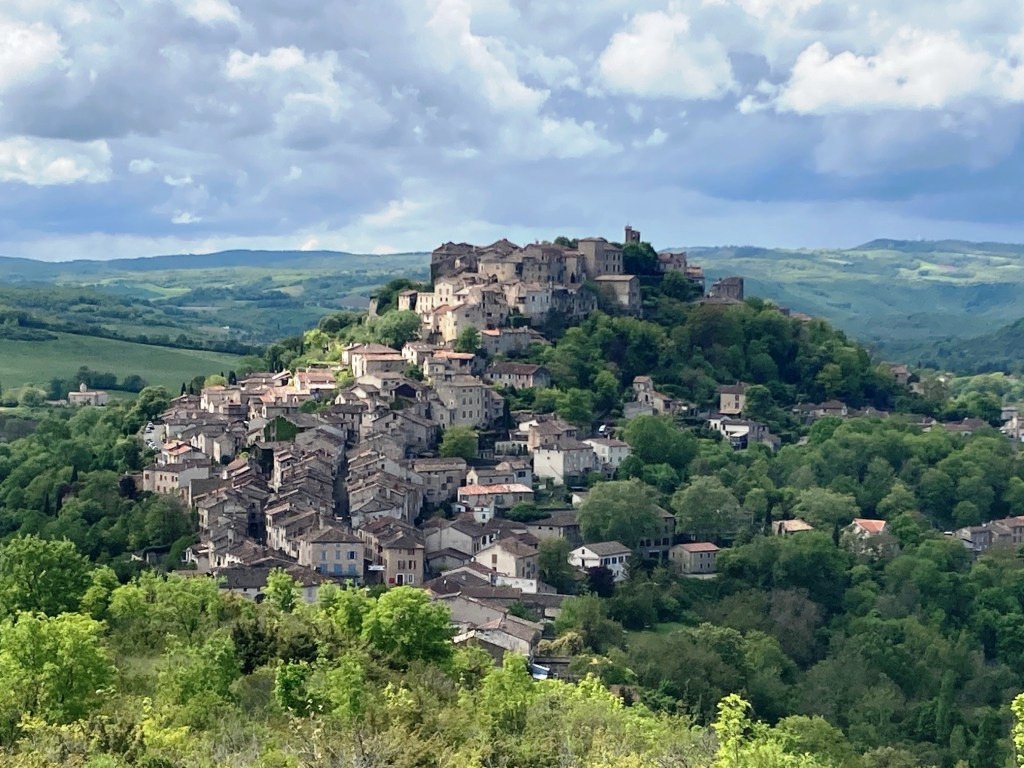
In addition, it’s just an hour from the postcard pretty artisan enclave of Cordes sur Ciel.

Mais oui, Montauban is worth a detour!

All the best for a lovely rest-of-spring.

Bises, Gayle

PS

Pleasures of Provence is taking shape–much like a hummingbird builds its nest–the Rome Way, not in a day. Truth be told, experiencing these tempting Provencal pleasures cuts in to typing time. But so be it–balance is key, n’est ce pas?

PPS

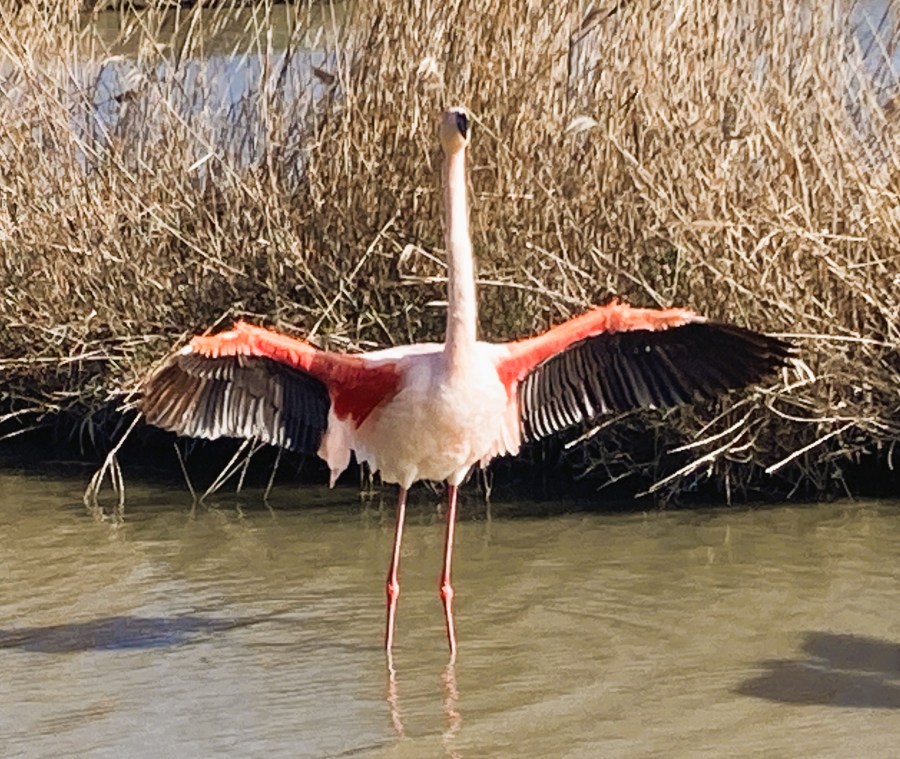
Though we hoped for a black woodpecker in the countryside outside Cordes-sur-Ciel, the noisy operator opted for seclusion. But on a follow-up trip to Saintes-Maries-de-Mer in the Camargue, this handsome grey heron struck a dignified pose.

A Dazzling Day Starring Cezanne & Picasso in the South of France

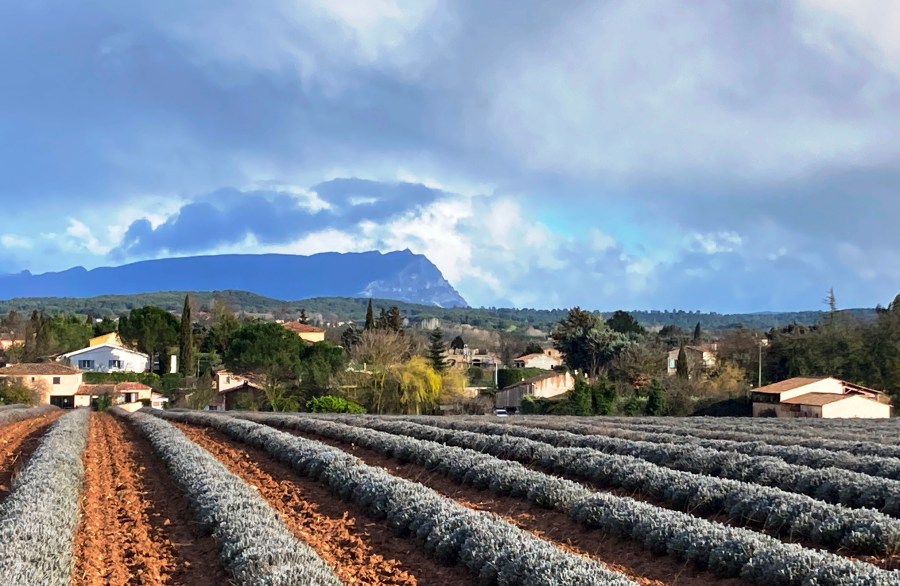
Mont Sainte-Victoire looms large over Aix-en-Provence

Mesmerizing Mont Sainte-Victoire is a stunner–any time of day, in any light.

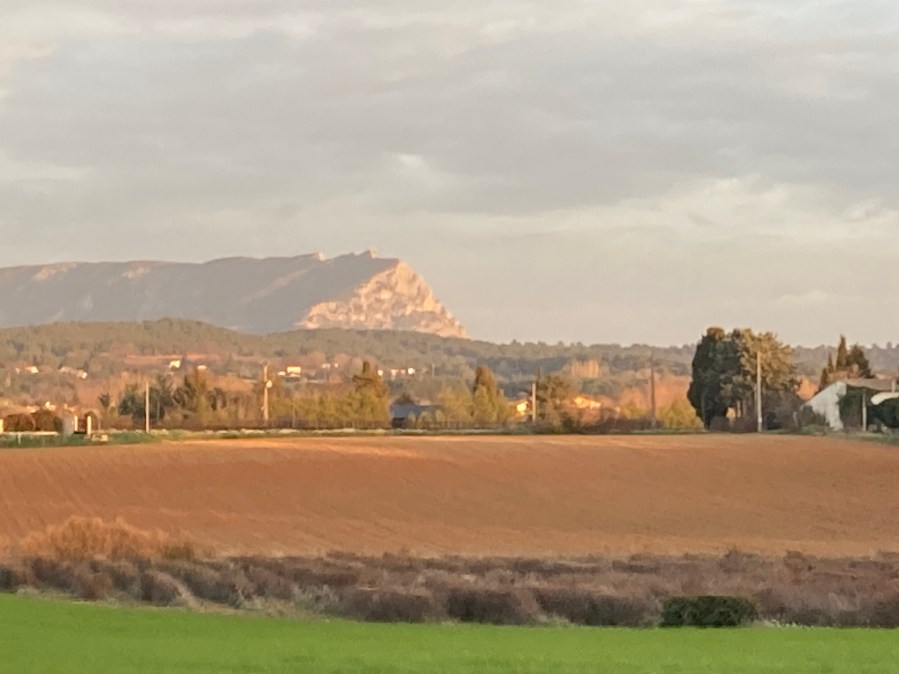
Approaching dusk, Mont Sainte Victoire turns to shimmering gold.

If you are doubtful, check in with Cezanne. This magnificent montagne that towers over Aix-en-Provence was the subject of 36 paintings and 45 watercolors produced by the town’s most famous native son, post-Impressionist artist, Paul Cezanne (1839-1906). He is credited with providing the essential link between late 19th century Impressionism and early 20th century Cubism.

Cezanne’s obsession with the mountain is understandable. When you have a direct countryside view of it, like Ralph and I did on a recent stay on the outskirts of the artist’s home town, you are glued to the seductive sight of the mountain–glowing in the morning sunshine and casting deep purple shadows at sundown. We just didn’t want to miss a minute of it.

But there were things to do, things to see. One was visiting a delightful très chère amie in the town of Vallauris, home to one of Cezanne’s famous admirers, Pablo Picasso. (The Spanish artist, along with Henri Matisse, considered Cezanne the “father of us all” and owned several of his works.) The village, just inland from Cannes on the French Riviera, counted Picasso as a resident from 1948 to 1955.

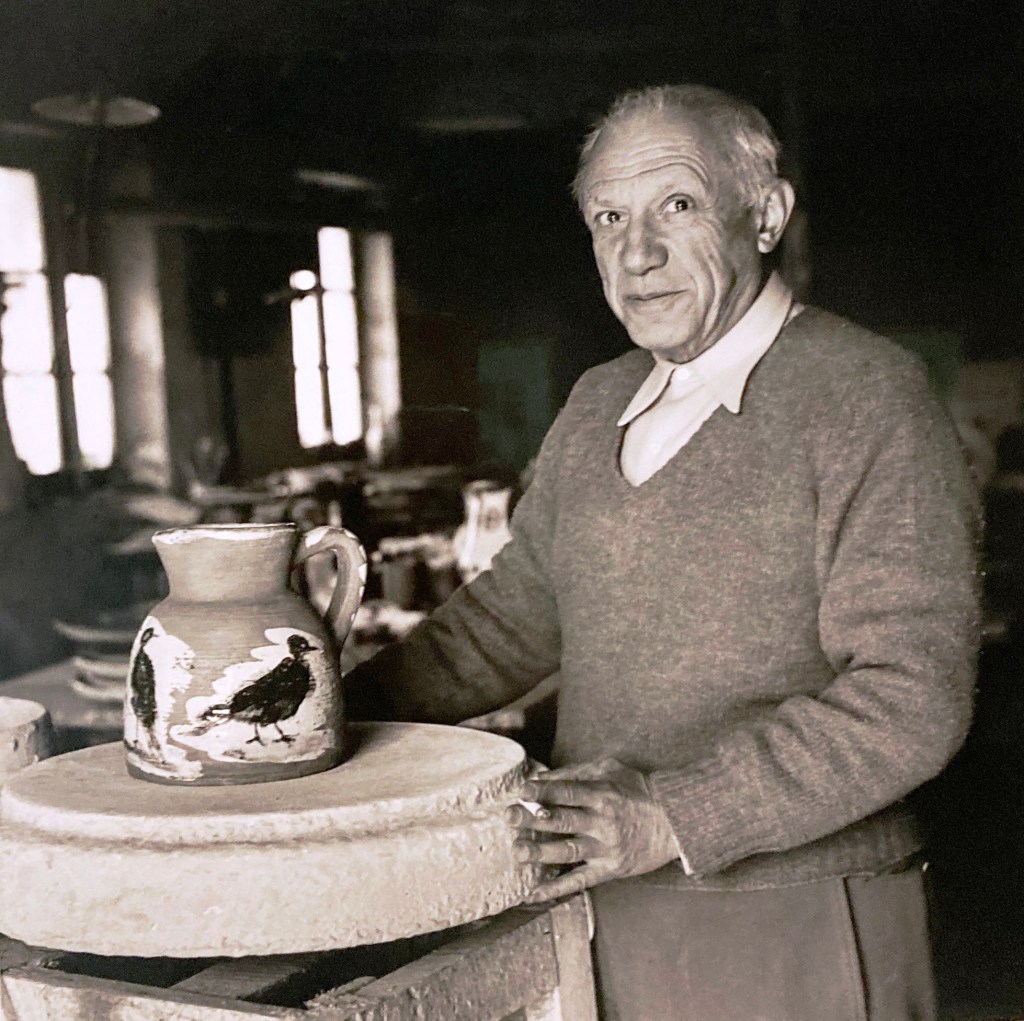
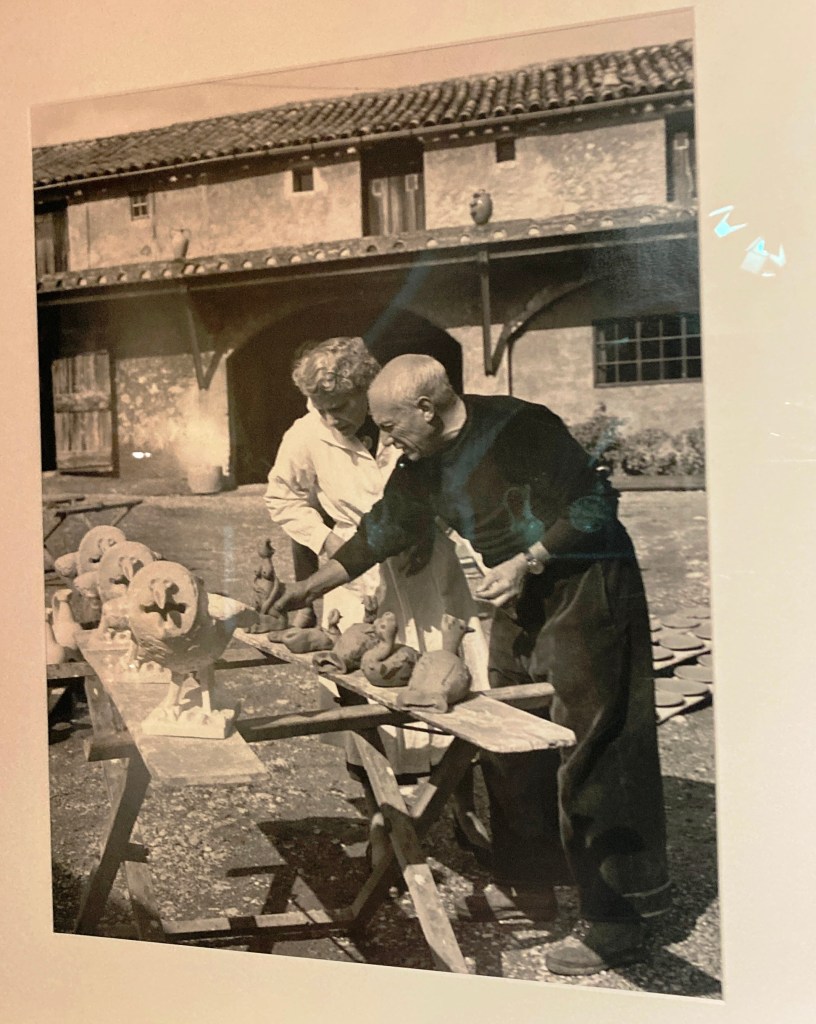
In the center of town, the Musée Nationale Pablo Picasso commemorates his work in ceramics. The production of earthenware pottery in Vallauris dates to Roman times, but Picasso raised the town’s profile considerably. The museum collection showcases a wide range of his ceramic works, many of which feature feathered friends, usually doves or owls—my personal favorites!

Picasso’s War & Peace at the Musée Nationale Pablo Picasso, in Vallauris.

Aside from the extensive ceramics collection, the highlight of the museum has to be Picasso’s moving anti-war work, La Guerre et La Paix, which covers the interior of a small chapel. Picasso painted the scenes on flat, but flexible panels, which were then fitted onto the chapel walls and vaulted ceiling.

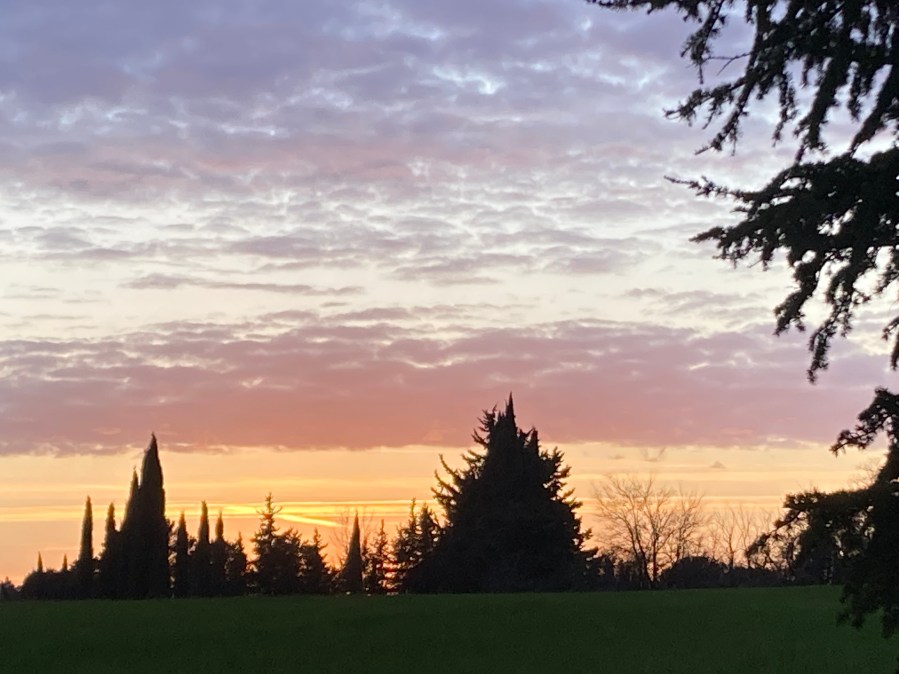
The sky aglow to the west of Mont Sainte-Victoire, on the outskirts of Aix.

Following our foray to Vallauris, where we admired Picasso’s poignant tribute to peace, we returned to the tranquility of Cezanne country in time to witness the sun setting on the artist’s preferred subject, Mount Sainte-Victoire. As the orange sherbet glow blanketed the mountain, a sense of calm and tranquility emerged. As if to underscore the brilliance of the peaceful scene, a silvery dove gently flapped its way through the sky. It was a fitting finale to a day spent in awe and wonder of the harmony and serenity that art and nature can provide.

Stay healthy, happy, and hopeful.

Bises, Gayle

PS

On a recent visit to the terrific Parc Ornithologique du Pont de Gau, near Saintes-Maries-de-Mer, I met up with the very upbeat and engaging director, Frédéric Lamouroux. Here, he most kindly shows off my book, The Birdwatcher’s Wife: A Quest across France for Birds and La Belle Vie. I assured him that the next book, Pleasures of Provence (working title) will definitely include action at the park. I also assured him that it’ll be a while. But like migrating birds, I try to do my best to keep moving, hopefully in a (mostly) forward direction.

A Winter Escape: Provence to Paris

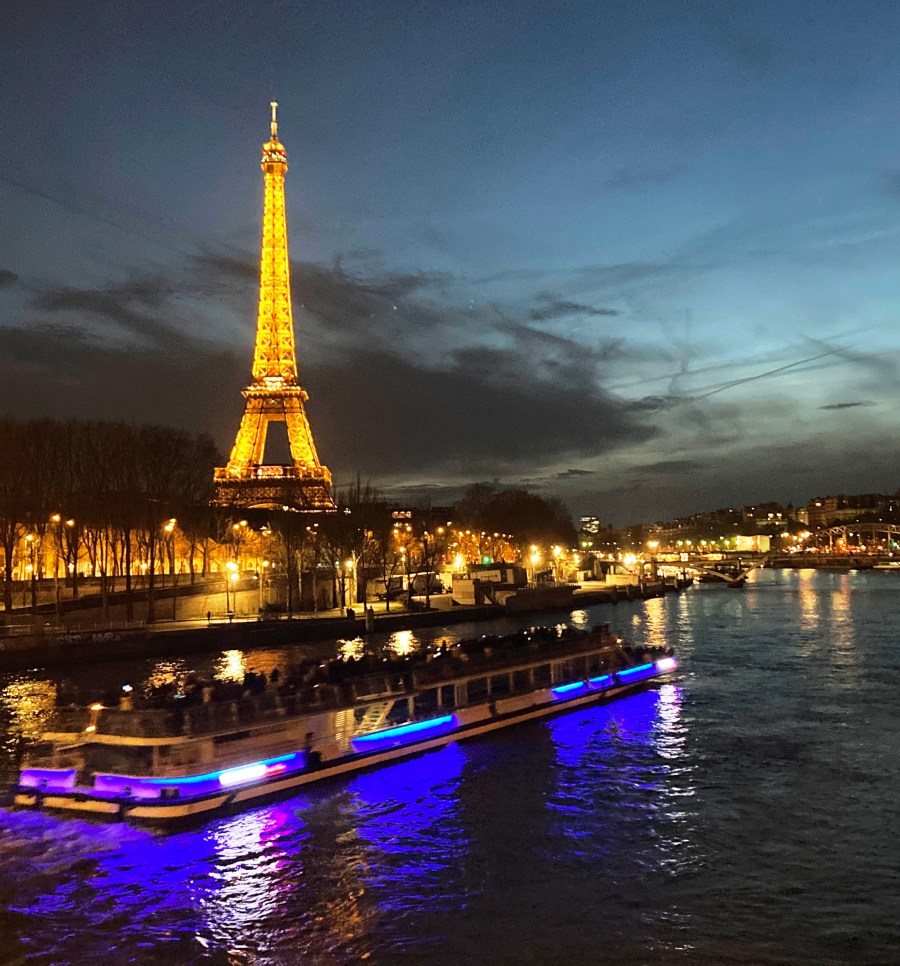
An illuminated Eiffel Tower wows passengers on an evening cruise on the Seine.

Van Gogh made me go. To Paris, that is. Not that the City of Light needed any more allure than it already has to draw me in. And by the fast train, the TGV, this magnificent city with its powerful je ne sais quoi energy is reachable in less than 3 hours from Avignon, just 20 minutes north of Saint-Rémy. 

So why now? Because for the first time ever, the much acclaimed exposition of paintings from Van Gogh’s last months in the town of Auvers-sur-Oise (30 kilometers north of Paris) was in full swing at my beloved Musée d’Orsay. This former train station houses an incredible range of works by my favorite Impressionists and Post-Impressionists and a treasure trove of other magnificent masterpieces. The expo would end the beginning of February, so if I wanted to witness this extraordinary collection by the Dutch master who spent a year in at a psychiatric hospital Saint-Rémy, this was the time.

The Van Gogh exhibition lived up to its hype but, the crowds rendered lingering pretty much impossible. Happily, the rest of the museum had plenty of room to roam through the insanely incredible permanent collection–to include many by Van Gogh which he painted before relocating in Auvers-sur-Oise.

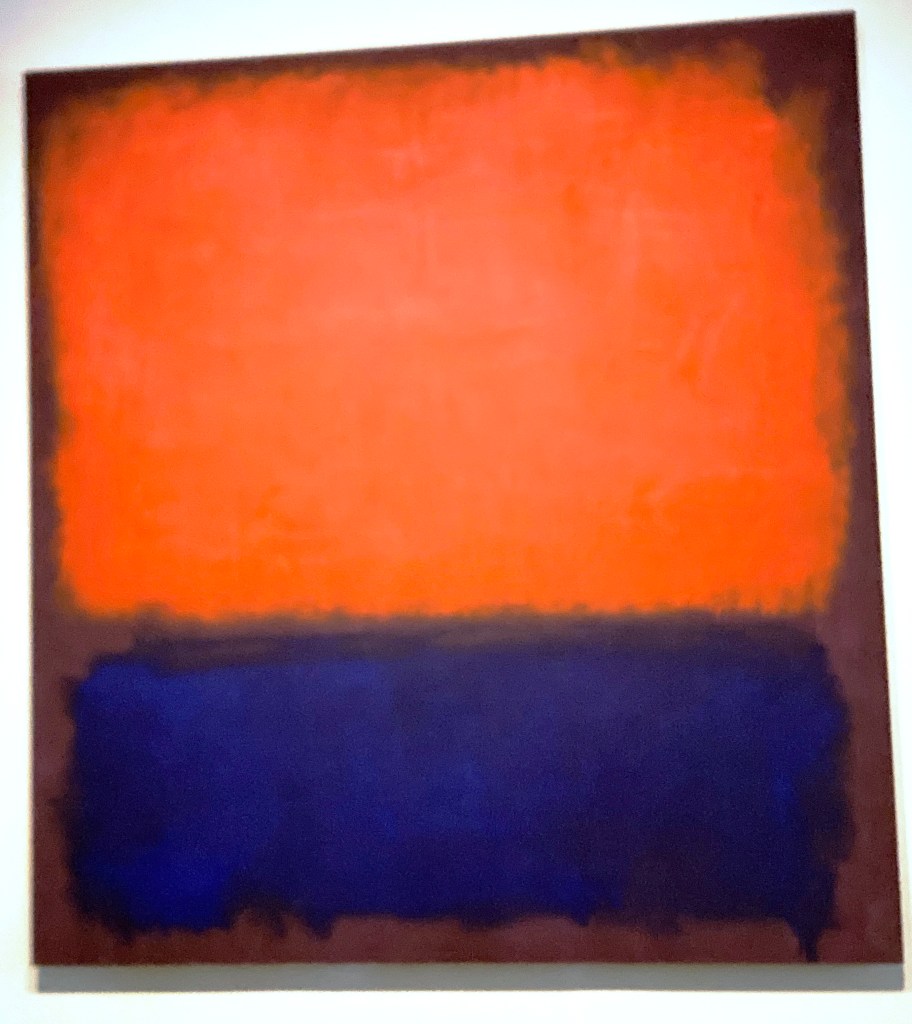
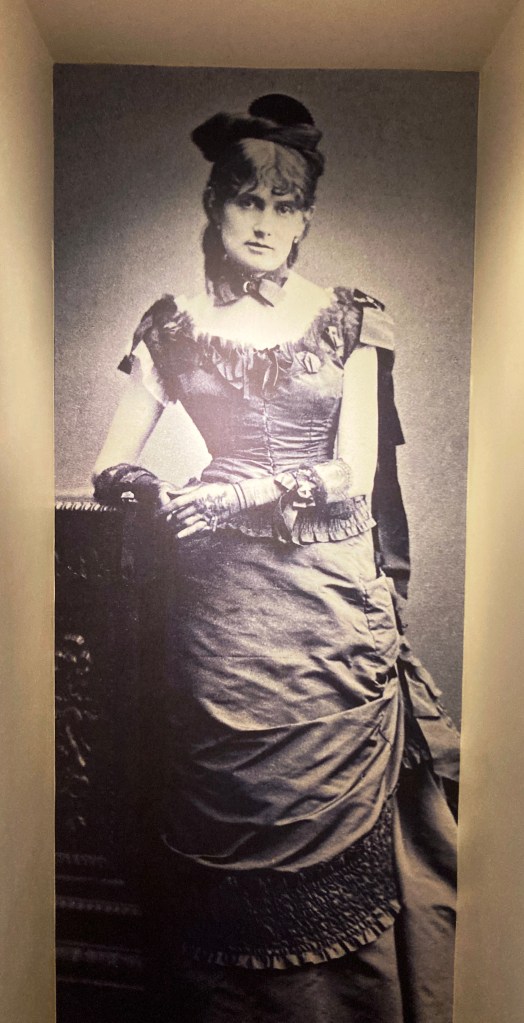
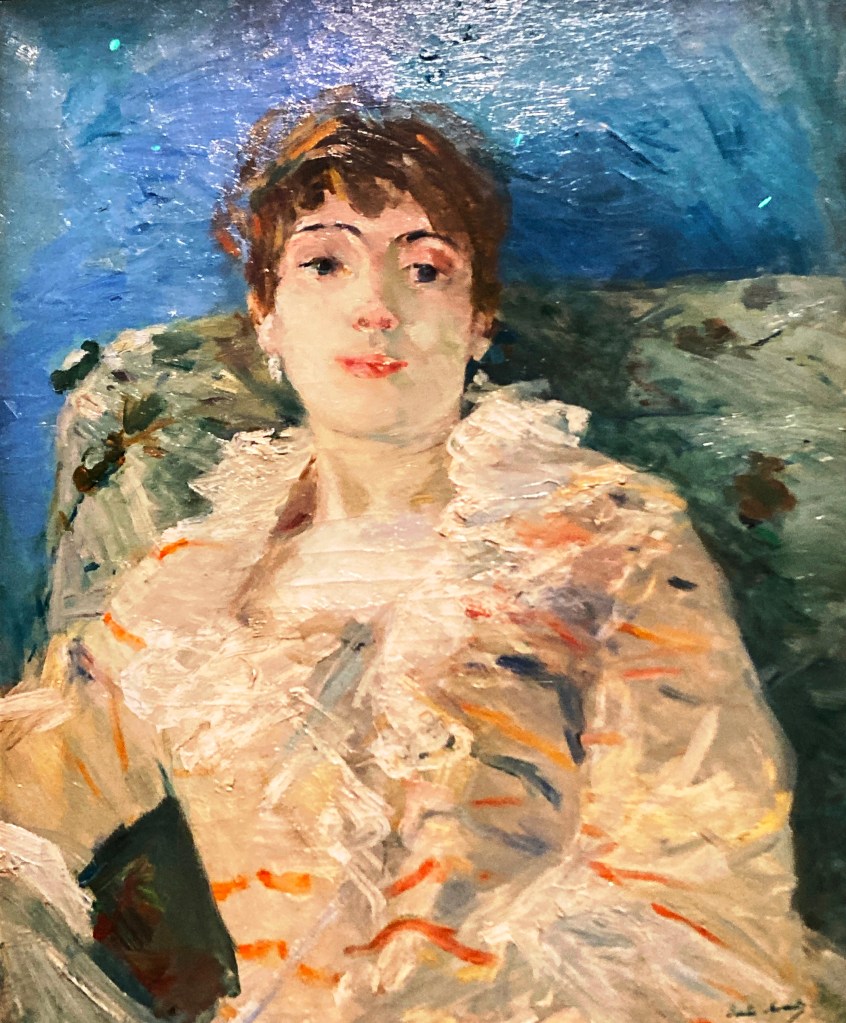
The five-day, cram-packed trip was a non-stop whirlwind. I’d over-programmed to the hilt and beyond–even excluding the main tourists sites because we’d been there done that over the years. So we focused on art and architecture, to include the expo by the Latvian-American abstract painter Mark Rothko at the crazy cool Frank Gehry-designed Fondation Louis Vuitton–fashioned after a ship–as well as the Berthe Morisot exhibition at the Musée Marmottan. And we revisited some old haunts like the Luxembourg Gardens and Place Vosges, and indulged in some terrific culinary delights. Luckily, the weather cooperated, which was nothing short of a miracle the end of January, allowing us to walk everywhere. In fact, the last full day there, we clocked 25,000 steps–yikes!

German artist Katharina Grosse’s “Canyon,” 2022, Acrylic on 8 aluminum petals at the Fondation Louis Vuitton

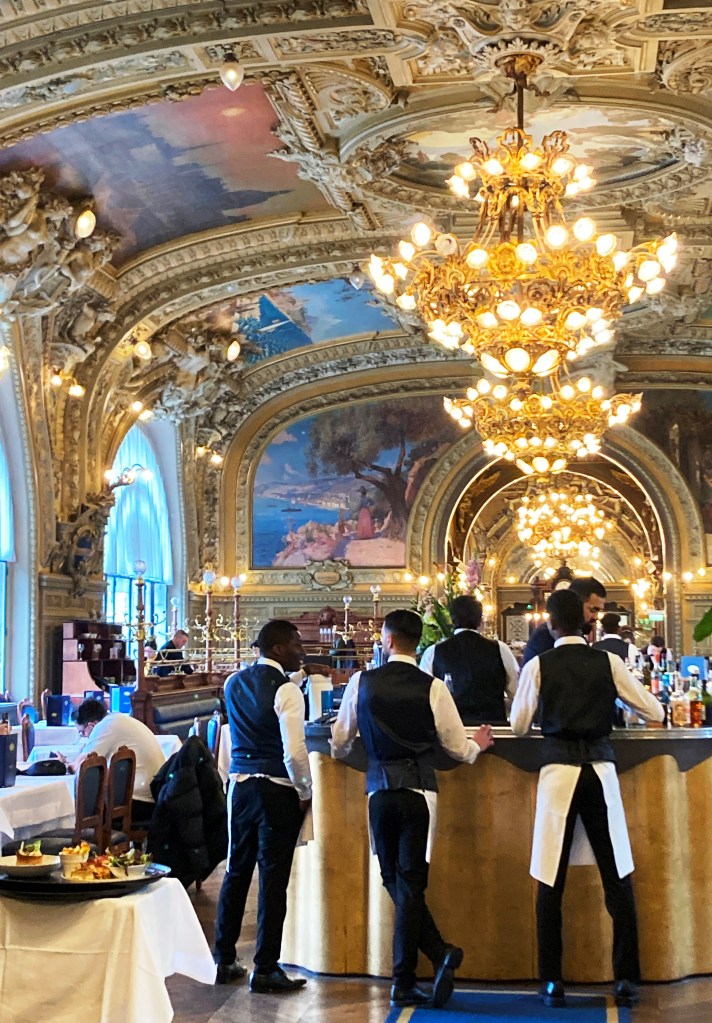
To cap off the visit, we planned on a “bite” at the splendiferous restaurant Le Train Bleu, at the Gare de Lyon. It’s one of revered food critic Alexander Lobrano’s top 30 restaurants in Paris listed in his compelling book, My Place at the Table, so I was keen to try it. There wasn’t time for a relaxed meal in the ornate main dining room–as this quite pricey option merits–so we headed to the extensive “bar” area, which offers much more casual and reasonable fare. The Caesar salad and club sandwich were sensational. Highly recommend!

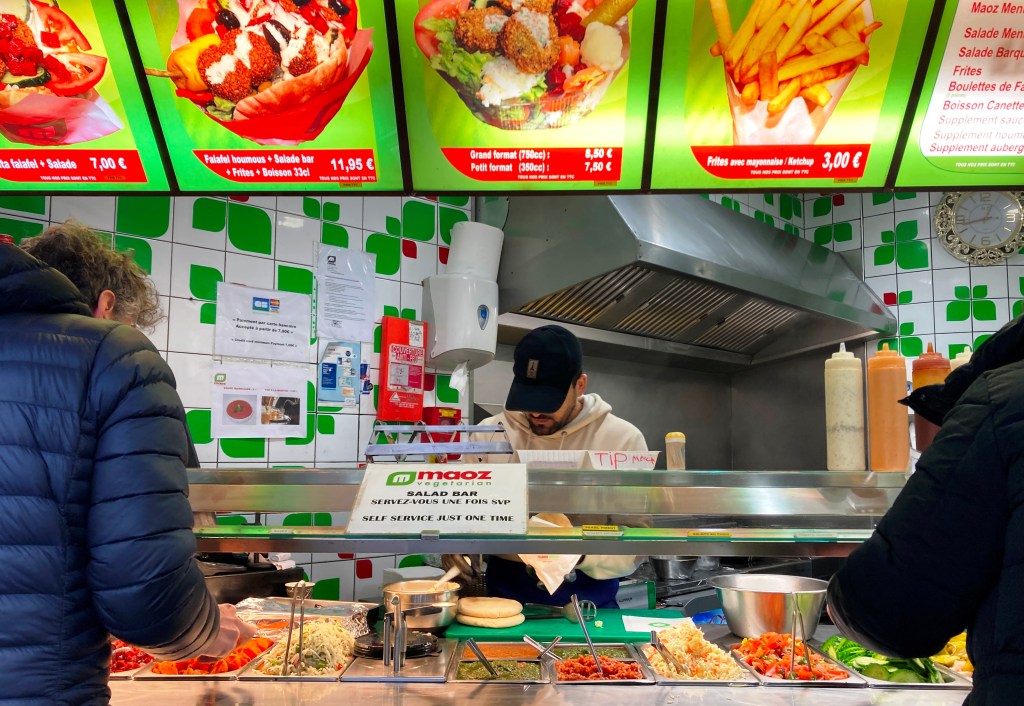
At the other end of the spectrum are the falafel pitas we picked up at Maoz (Latin Quarter). Stuffed with fresh veggies selected from a serve-yourself bar, they were delicious. And munching them on a bench, near the Seine while people-watching under sunny skies, made a happy memory.

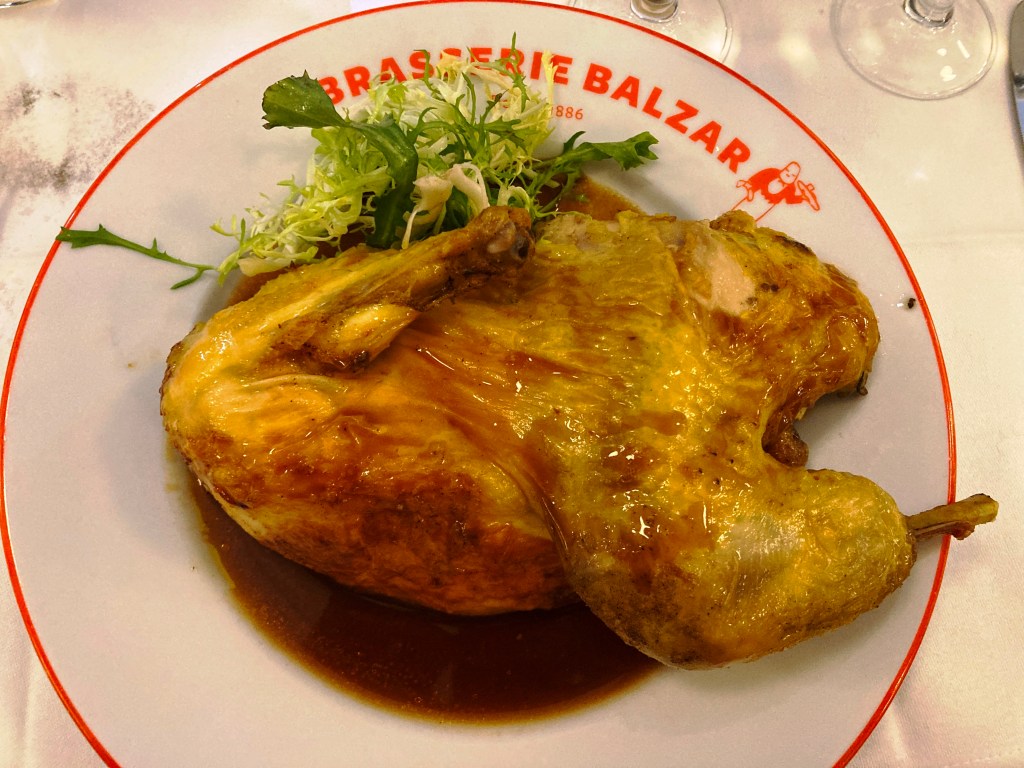
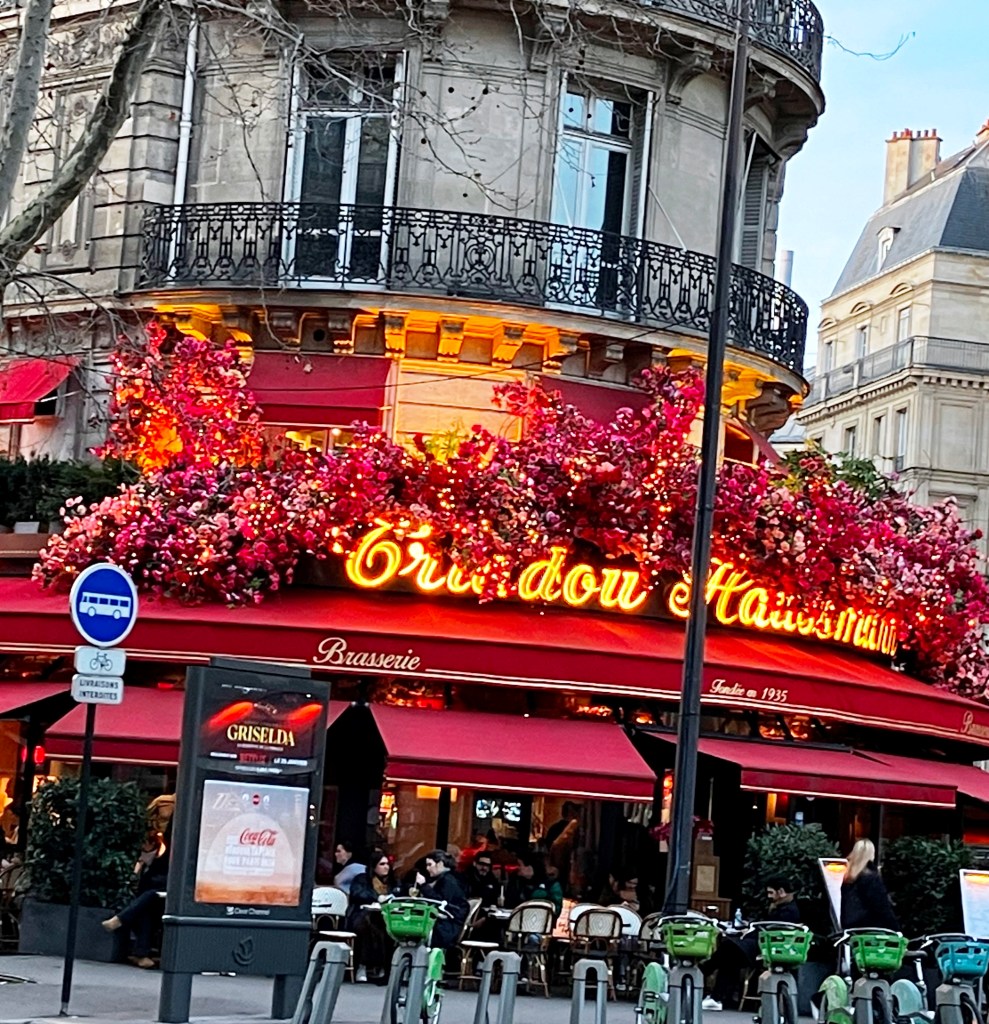
And in between is Brasserie Balzac, which I’d read about in The New York Times. Hemingway and his crew used to hang out there. We just happened to be passing by around 1:30 PM en route to Luxembourg Gardens. Without a reservation at this historic haunt, which we assumed would be packed, we prepared ourselves to be turned away. Instead, we were greeted most warmly and seated right away at a well-positioned table–one of the few still available. The roast chicken was incredible and the ambiance authentic and lively.

Before I sign off, a few words of advice if you are planning a Paris trip soon. Chances are crowds will be even greater as the weather warms and the Olympics near, so be prepared for extended waits, be it trying to buy a metro ticket, browse in Shakespeare & Co. book shop, or munch a decadent treat at Angelina, the elegant pastry shop/restaurant. Target your top must-see and dos and calculate distances/time–considering construction delays–to avoid meltdowns. (Who, moi?) If you do end up walking more than you’d planned on, more reason to wear ultra comfy walking shoes—your footsies (and your emotional state) will thank you.

Bises, Gayle

PS

Yes, I’m beavering away on Book Three, to which, for the moment, I’ve assigned the working title, Pleasures of Provence. This seems fitting since it points to the special aspects of life in this region that I’ll strive to convey, perhaps in some surprising ways.

A Rose-ringed Parakeet wishes us adieu by Musée Marmottan.

PPS

Our last day in Paris was dull and gray. But, this cooperative feathered friend–a Rose-ringed Parakeet–flitting about the park by the Musée Marmottan perked up our spirits when it posed for a moment as if to say, “Au revoir et bonne route!”